
In the fast-evolving digital landscape, businesses need agile, scalable, and resilient systems to meet changing demands. Microservices architecture has emerged as a transformative approach, enabling organizations to design applications that are modular, flexible, and aligned with modern business objectives.
Microservices architecture involves breaking down a monolithic application i...
nto smaller, self-contained services that work together seamlessly. Each service focuses on a specific business capability, operates independently, and communicates with others through well-defined APIs. This decentralized approach offers unparalleled flexibility and scalability.
Why Microservices Drive Business Growth
- Scalability: Microservices allow independent scaling of components based on demand. For instance, a service handling user authentication can scale without affecting other parts of the application.
- Faster Time-to-Market: Teams can develop, test, and deploy services independently, accelerating release cycles and reducing time-to-market for new features.
- Resilience: Since services are decoupled, failures in one service don’t bring down the entire application, ensuring higher availability and reliability.
- Technology Flexibility: Teams can choose the most suitable technology stack for each service, fostering innovation and optimization.
- Enhanced Collaboration: Smaller, cross-functional teams can focus on specific services, promoting ownership and efficiency.
Key Principles for Designing Smart Microservices
- Domain-Driven Design (DDD): Structure services around business domains. Each service should encapsulate a specific business function, reducing dependencies and improving clarity.
- Loose Coupling and High Cohesion: Services should have minimal dependencies on each other while being internally cohesive to ensure maintainability and flexibility.
- API First Approach: Design APIs with a focus on simplicity, consistency, and scalability to facilitate seamless communication between services.
- Scalability and Fault Tolerance: Implement mechanisms like load balancing, caching, and circuit breakers to ensure services remain responsive under heavy loads or partial failures.
- Data Decentralization: Avoid a centralized database for the entire application. Each service should manage its own data to minimize bottlenecks and enhance performance.
Best Practices for Implementation
- Start Small: Begin with a single service or a specific functionality before scaling to more complex implementations.
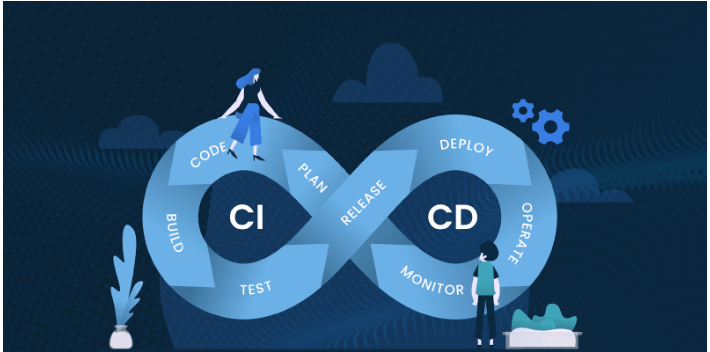
- Invest in CI/CD Pipelines: Automation ensures quick, reliable, and consistent deployments, essential for managing multiple services.
- Adopt Observability Tools: Use monitoring, logging, and tracing tools to gain insights into service performance and interdependencies.
- Prioritize Security: Secure communication between services using authentication, encryption, and role-based access control.
- Embrace Containerization and Orchestration: Platforms like Docker and Kubernetes streamline deployment and management of microservices.
Challenges and How to Address Them
- Increased Complexity: Managing multiple services can be challenging. Mitigate this with robust service discovery tools and orchestration platforms.
- Data Consistency: Use patterns like eventual consistency and sagas to manage data integrity across services.
- Network Overhead: Optimize communication with lightweight protocols and reduce latency by colocating frequently interacting services.
Real-Life Impact of Microservices
Companies like Netflix, Amazon, and Uber have demonstrated the power of microservices in driving innovation and growth. By adopting this architecture, they’ve achieved unparalleled scalability, improved customer experiences, and sustained competitive advantages.
Conclusion
Designing a smart microservices architecture is not just about technology—it’s about aligning your IT infrastructure with your business goals. By embracing best practices, addressing challenges proactively, and leveraging modern tools, organizations can unlock new opportunities for growth and agility.
The time to transition to microservices is now. Lead your business into the future with a smarter, more adaptive architecture that evolves with your needs.